
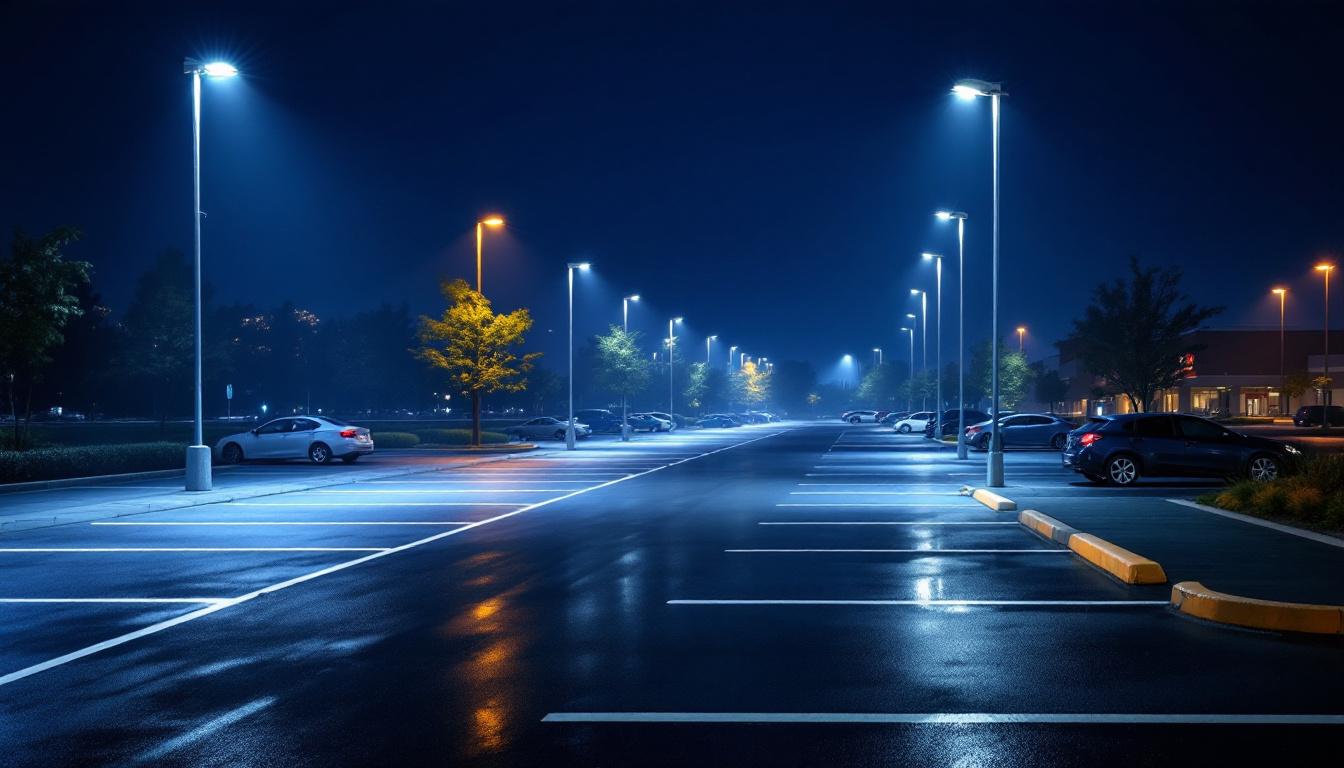
Parking Lot Lighting in Winter Park, FL improves visibility, safety, security and energy efficiency across commercial lots, walkways, entrances, and exits.
A commercial property can look completely different after sunset. Parking spaces that seem clear during the day may develop dark corners, uneven illumination, or difficult-to-see pedestrian routes once natural light disappears. Altech Electric of Central Florida, Inc provides commercial electrical services throughout Central Florida, including Parking Lot Lighting for retail centers, warehouses, offices, industrial properties, and other business facilities. A strong outdoor lighting system should do more than make a parking area bright. Fixture position, pole height, beam spread, electrical capacity, building entrances, landscaping, traffic patterns, and surrounding structures all influence how well the system works. Businesses in Winter Park, Osceola County, and nearby areas can also consider whether older fixtures are consuming unnecessary energy or producing inconsistent light. Evaluating the complete site before replacing fixtures helps create a lighting layout that supports employees, visitors, drivers, and pedestrians while fitting the property’s actual operating needs.
What Parking Lot Lighting Services Include
Professional Parking Lot Lighting can include new lighting installation, pole lighting systems, LED conversions, fixture replacement, electrical troubleshooting, maintenance, and upgrades to existing commercial outdoor lighting.
The right project depends on the current condition of the property.
A newly constructed commercial site may need an entirely new lighting layout. An established shopping center may have working poles but older fixtures that provide uneven coverage. Another property may have only a few failed lights that require electrical diagnosis rather than full replacement.
Starting with the condition of the existing system helps prevent unnecessary work.
Contractors can review where lighting is needed, what equipment is already installed, and whether the electrical infrastructure can support proposed improvements.
This creates a clearer path toward installation, repair, or modernization.
LED Parking Lot Lighting in Winter Park, FL
Businesses considering LED parking lot lighting in Winter Park, FL should think about how customers and employees move through the property after dark.
Lighting should support parking spaces, driving lanes, sidewalks, entrances, loading areas, and other frequently used outdoor zones.
A bright fixture installed in the wrong location may still leave important areas underlit.
Trees, signs, building corners, awnings, and landscaping can also interrupt the light pattern.
For that reason, fixture placement should be based on actual site conditions instead of spacing poles evenly without considering obstacles.
Older commercial properties may also have lighting systems that were designed before additions, landscaping changes, or parking-layout modifications.
Reviewing the current site can reveal whether fixture positions still make sense for the way the property operates today.
Commercial Parking Lot Lighting in Osceola County, FL
Property owners planning commercial parking lot lighting in Osceola County, FL may be upgrading an existing business, completing a tenant improvement, or preparing a commercial property for heavier nighttime use.
Different businesses require different lighting priorities.
A restaurant may need dependable illumination around customer parking and walkways during evening hours. A warehouse may focus more on loading zones, employee parking, gates, and delivery routes. Retail properties often need balanced light between storefront entrances and larger parking areas.
These differences should influence the lighting design.
Instead of asking only how many fixtures are needed, property owners can identify the areas where people enter, park, walk, work, and drive.
That practical approach helps lighting support actual activity across the site.
LED Upgrades for Older Parking Lots
Many existing parking areas still use older fixture technology.
Replacing outdated fixtures with LED lighting can change both the quality of illumination and how the system uses electrical power.
LED fixtures are available in different output levels, beam patterns, and mounting configurations, so simply choosing the brightest option is not always appropriate.
A property may benefit more from several correctly positioned fixtures than a few extremely bright lights.
Uneven lighting can produce strong contrast between bright and dark areas, which may make visibility uncomfortable.
An upgrade should therefore consider the whole parking area rather than evaluating each fixture independently.
Existing poles and electrical connections should also be inspected to determine whether they remain suitable for the new equipment.
Pole Height and Fixture Placement Matter
Parking lot poles help distribute light across larger outdoor areas, but pole height has a direct effect on coverage.
Fixtures mounted too low may create concentrated bright spots without reaching distant parking spaces.
Higher mounting positions can cover broader areas, but the fixture type and beam pattern must still match the site.
The number of poles also matters.
Commercial properties with irregular layouts, landscaped islands, separate parking sections, or multiple entrances may need different lighting zones.
Placement near pedestrian routes deserves careful attention because sidewalks and crossings often require different visibility than open vehicle areas.
A good layout should create useful coverage without directing excessive light toward neighboring properties or unrelated areas.
Lighting Around Entrances and Walkways
Parking spaces are only one part of the outdoor environment.
Customers may leave their vehicles and walk through several different zones before reaching the building entrance.
Walkways, ramps, stairs, building doors, and transitions between parking areas should be considered when evaluating exterior lighting.
A property may have a well-lit parking lot but a dark walkway near one side of the building.
That gap can make the overall lighting system feel incomplete.
Exterior fixtures near entrances can work together with pole-mounted lights to create a more consistent path.
Businesses should also consider employee entrances, delivery doors, and secondary access points that may be used after normal customer hours.
Repairing Lights That Stop Working
A failed parking lot light does not always mean the entire fixture needs replacement.
Electrical issues can involve wiring, controls, connections, components, or power reaching the pole.
Troubleshooting helps determine why the fixture is not operating before new equipment is installed.
Businesses should pay attention when lights begin flickering, operating intermittently, or failing in groups.
Several fixtures turning off at the same time may point toward a different problem than one isolated light.
Repeated failures also deserve investigation.
Replacing lamps or fixtures over and over without identifying an underlying electrical issue can create unnecessary maintenance costs.
A proper diagnosis helps determine whether the problem involves individual equipment or a larger part of the lighting circuit.
Photocells, Timers, and Lighting Controls
Commercial outdoor lighting often relies on controls that determine when fixtures turn on and off.
Photocells can respond to changing daylight conditions, while timers can operate lights according to a programmed schedule.
The right approach depends on business hours and site requirements.
A property operating late into the evening may need different control settings from an office that closes before sunset.
Some sites may also need certain lights to remain on while others operate only during active business hours.
Control problems can make perfectly functional fixtures appear unreliable.
If lights begin turning on too early, staying on during the day, or failing to activate at night, the controls should be included in the inspection.
Parking Lot Lighting During Commercial Renovations
Renovation provides a useful opportunity to evaluate outdoor lighting because other electrical improvements may already be underway.
A business may be changing entrances, expanding parking areas, adding signage, modifying landscaping, or redesigning traffic flow.
Those changes can make the old lighting layout less effective.
Coordinating exterior lighting with the larger renovation helps ensure fixtures match the finished property rather than the previous layout.
Electrical capacity can also be reviewed while other upgrades are being completed.
Altech Electric of Central Florida, Inc provides several commercial electrical services that can be coordinated with lighting improvements when a business is updating multiple parts of its facility.
Planning these systems together can reduce the need to reopen finished areas later.
Maintenance Helps Preserve Outdoor Lighting Performance
Parking lot fixtures operate outdoors throughout changing weather conditions.
Moisture, wind, heat, physical damage, electrical wear, insects, and debris can all affect components over time.
Regular visual checks can help property managers identify failed lights before large portions of the parking area become dark.
Maintenance should also include looking for damaged poles, loose fixtures, exposed components, or lights that no longer operate consistently.
Businesses with large parking areas may find it useful to inspect lighting after sunset occasionally.
Problems that are difficult to notice during daytime maintenance can become obvious once the system is operating under normal nighttime conditions.
Prompt repairs can help maintain more consistent coverage across the property.
Avoiding Excessive or Uneven Illumination
More light is not automatically better lighting.
Extremely bright fixtures can create glare, especially when drivers approach from darker surrounding areas.
Poorly directed light can also spill toward neighboring properties or into areas where it provides little practical benefit.
Balanced coverage is usually more useful.
Fixture output, beam angle, mounting position, and spacing should work together to illuminate the areas people actually use.
Existing dark spots should be identified, but overly bright sections should also be reviewed.
The goal is not to create the brightest parking lot possible.
It is to create a usable outdoor environment with appropriate visibility across parking spaces, traffic lanes, entrances, and pedestrian areas.
Planning for Future Commercial Changes
Commercial properties continue changing after lighting systems are installed.
Businesses expand, new tenants move in, landscaping grows, signs are added, and parking patterns change.
A lighting plan should allow reasonable flexibility for these developments.
Property owners preparing a major upgrade can discuss areas where future expansion is likely.
Electrical pathways, controls, or pole locations may be planned with that growth in mind without installing unnecessary equipment immediately.
This is particularly useful for multi-tenant commercial properties where different portions of the site may be developed at different times.
Thinking beyond today’s layout can make future changes easier to manage.
Choosing a Parking Lot Lighting Contractor
A commercial lighting contractor should evaluate the complete outdoor environment before recommending fixtures.
Property owners can explain business hours, areas with poor visibility, recurring fixture failures, planned renovations, and sections of the property that receive heavy nighttime traffic.
Ask whether existing poles and electrical infrastructure can remain in use or whether modifications are needed.
The project scope should explain installation, fixture replacement, controls, wiring, troubleshooting, and testing where applicable.
Altech Electric of Central Florida, Inc provides Parking Lot Lighting installation and upgrades throughout Central Florida for commercial and industrial properties.
Clear planning helps businesses understand why specific improvements are recommended and how the finished lighting system will support everyday operations.
Conclusion
Parking Lot Lighting plays an important role in how commercial properties function after daylight hours.
Businesses in Winter Park and Osceola County can use professional lighting services to address dark sections, failed fixtures, outdated equipment, poor coverage, or changing site layouts.
A successful project considers much more than fixture brightness.
Pole height, beam distribution, pedestrian routes, entrances, landscaping, electrical capacity, lighting controls, and future property changes all influence the final result.
LED upgrades can also provide an opportunity to modernize older systems when existing equipment no longer fits the property’s needs.
By evaluating the complete site before installation or replacement begins, property owners can create a more balanced outdoor lighting system that supports visibility, everyday business activity, and dependable nighttime use.
Frequently Asked Questions
What does Parking Lot Lighting service include?
Services can include new fixture installation, LED upgrades, pole lighting, fixture replacement, maintenance, controls, electrical troubleshooting, and improvements to existing outdoor systems.
Can existing parking lot lights be upgraded to LED?
Yes. Many commercial properties can replace older lighting with LED fixtures, although existing poles, wiring, controls, and electrical conditions should be evaluated first.
Why are some areas of my parking lot darker than others?
Uneven lighting can result from fixture placement, pole height, landscaping, building obstructions, failed equipment, or a lighting layout that no longer matches the property.
How should parking lot lights be controlled?
Outdoor commercial lighting can use photocells, timers, or other control methods depending on business hours, daylight conditions, and property requirements.
Do parking lot lights need regular maintenance?
Yes. Outdoor fixtures, poles, electrical connections, and controls can experience wear or damage and should be inspected when performance changes.
Should lighting be planned before a commercial renovation is finished?
Yes. Planning early allows fixture positions, wiring, entrances, landscaping, signs, and other site changes to be coordinated before the renovation is complete.